



Over time, your windshield can develop tiny marks that become especially noticeable when driving toward the sun or facing oncoming headlights. These marks may appear as small scratches, scattered dots, or a cloudy layer across the glass.
Windshield pitting is a common concern for drivers who regularly travel on highways and roads with loose sand or gravel. Understanding what causes windshield pitting, whether it can be repaired, and how to prevent additional damage can help you maintain clearer visibility.
How Windshield Pitting Develops Over Time
Windshield pitting occurs when small particles strike the glass and create tiny surface imperfections. Unlike a large rock chip that leaves a noticeable impact mark, pitting often develops gradually through repeated exposure to sand, gravel, and other road debris.
These small imperfections may be difficult to see when the windshield is shaded. However, direct sunlight and headlights can make them more visible because damaged areas scatter light differently than smooth glass.
Windshield pitting is physical damage to the glass surface, and preventing repeated impacts is generally easier than correcting widespread damage after it develops. The amount of damage depends on road conditions, driving habits, debris exposure, and the windshield’s condition.
Some drivers consider windshield protection film to help reduce direct contact between the glass and road debris. Other preventive measures include maintaining a safe following distance and avoiding unnecessary exposure to loose gravel.
How Sand, Gravel, and Road Debris Damage Windshield Glass
Windshield glass is durable, but repeated impacts from hard particles can leave small surface marks. Stones, sand, and other debris may strike the windshield while a vehicle is moving, particularly when traveling behind other vehicles.
At highway speeds, even small particles can strike with considerable force. Depending on the particle’s size, hardness, and impact angle, the contact may leave a tiny pit, a larger chip, or no visible damage.
Windshield pitting typically develops through repeated small impacts rather than a single large event. Over time, numerous imperfections can create the scattered, speckled appearance often seen on windshields with substantial road exposure.
Construction zones, gravel roads, deteriorating pavement, and loose debris can increase the likelihood of impacts. However, pitting can also develop during ordinary driving on paved roads.
Why Windshield Pitting Is More Noticeable in Bright Sunlight
One of the most noticeable characteristics of windshield pitting is how it looks under different lighting conditions. A windshield may look relatively clear in the shade but reveal many tiny marks in direct sunlight.
This happens because pits and surface irregularities scatter incoming light. Instead of passing cleanly through the glass, some light is redirected, creating glare, reflections, and a hazy appearance.
Low-angle sunlight can make these imperfections particularly noticeable. Drivers may experience this when traveling toward the rising or setting sun, especially if the windshield contains extensive surface damage.
Even small windshield pits can reduce visual clarity when bright light strikes the glass at certain angles. The severity depends on the number, size, and location of the imperfections.
In sunny environments such as Las Vegas, these marks may become especially apparent during daytime commutes. While pitting affects how light scatters through the glass, tint darkness and heat protection are separate considerations that relate to how automotive window films manage incoming sunlight.
Windshield Pitting vs. Scratches and Rock Chips
Windshield pitting, scratches, and rock chips are different forms of glass damage. Although they can sometimes look similar, their causes and characteristics differ.
Pitting generally appears as numerous tiny depressions scattered across the surface. Scratches usually form visible lines and may result from abrasive contact, damaged windshield wipers, or particles dragged across the glass.
Rock chips are typically more concentrated impact marks. They may appear as small craters, circular breaks, or star-shaped damage that extends beneath the surface.
The main difference is that pitting involves small surface imperfections, while rock chips and cracks may extend deeper into the windshield. This distinction matters because different damage types require different repair considerations.
A windshield can also have multiple types of damage at once. For example, an older windshield may have widespread pitting alongside isolated rock chips and scratches from worn wiper blades.
Can Windshield Pitting Be Repaired?
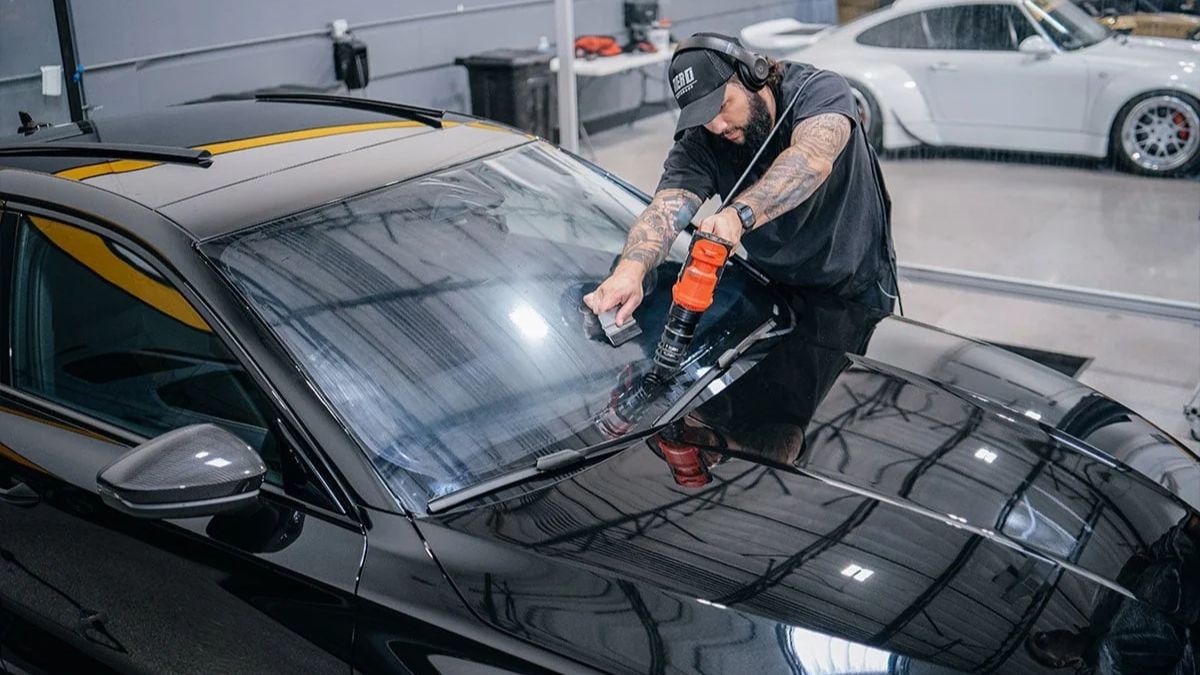
Specialized glass restoration techniques may sometimes improve minor surface imperfections. However, widespread windshield pitting is difficult to correct because the damage involves physical changes to the glass surface.
Removing deeper imperfections may require removing glass material, which can affect the windshield’s optical properties. Excessive polishing can create distortion, making objects appear warped when viewed through the treated area.
For this reason, aggressive polishing is not appropriate for every windshield. Damage within the driver’s primary viewing area requires particular caution because clear visibility is essential for safe driving.
Severe windshield pitting often cannot be restored to its original clarity through ordinary polishing or surface treatments. When damage significantly affects visibility, windshield replacement may be the more appropriate solution.
A qualified automotive glass professional can assess whether the damage is cosmetic, repairable, or serious enough to require replacement. Evaluate the glass condition before attempting any restoration method.
Does Windshield Pitting Get Worse Over Time?
Existing windshield pits don’t necessarily keep expanding on their own. However, continued exposure to sand, stones, and other road debris can create additional imperfections across the surface.
As more marks accumulate, the windshield may look increasingly hazy. This can make the glass seem worn even when there are no large cracks or obvious chips.
The rate of additional damage depends on driving conditions and vehicle use. A car driven mainly on clean urban streets may experience different exposure than a vehicle that frequently travels on highways or gravel roads.
Repeated road exposure can gradually increase the number of windshield pits, making preventive measures more useful before extensive damage develops. The objective is to reduce new impacts rather than reverse existing surface damage.
Changes in glare, clarity, or visible surface marks may indicate the windshield needs closer inspection. A qualified glass professional should evaluate damage that interferes with driving visibility.
How Windshield Protection Film Helps Reduce Pitting
Windshield protection film is a transparent material applied to the exterior surface of automotive glass. Unlike conventional window tint, which primarily manages sunlight, windshield protection film provides a physical barrier against road debris.
When small particles strike a protected windshield, the film receives the initial contact. Depending on the impact, it may absorb or reduce some of the force before it reaches the glass underneath.
This protective layer can help reduce surface pitting and certain types of minor impact damage. However, the film itself can wear, scratch, and sustain impacts over time.
Windshield protection film helps reduce direct exposure to road debris by placing a replaceable protective layer over the glass. It does not guarantee the windshield will remain free of chips or cracks, especially during severe impacts.
Film performance depends on the material, thickness, condition, installation, and impact type. The paint protection film installation process also illustrates why surface preparation, material fitment, and proper application matter when protective films are installed on vehicles, although windshield-specific films have different requirements.
Can Windshield Protection Film Prevent Every Rock Chip?
No protective film can prevent every impact from damaging a windshield. Large stones, sharp objects, and debris traveling at high speeds may still cause chips or cracks, even when a protective layer is installed.
Several factors influence the outcome, including the object’s size and shape, impact speed, angle of contact, film condition, and underlying glass construction.
Windshield protection film is best understood as a way to reduce certain types of damage, not eliminate all risk. It may be useful for vehicles that regularly encounter small stones, sand, and other road debris.
Windshield protection film reduces the likelihood or severity of some common impacts, but it doesn’t make the windshield completely impact-proof. Severe impacts may still require professional glass repair or replacement.
Similar protective principles apply to other vehicle surfaces. For example, paint protection film helps shield painted body panels from certain scratches, rock chips, and road debris, although painted surfaces and windshields have different requirements.
Is Windshield Protection Film the Same as Windshield Tint?
Windshield protection film and windshield tint serve different purposes. Windshield protection film is generally installed on the exterior glass to help reduce physical damage from road debris, while automotive window tint is typically applied to the interior surface to manage solar energy.
Window tint can help reduce glare, ultraviolet exposure, and heat entering through the windshield. However, conventional window tint does not provide the same exterior impact protection as a dedicated windshield protection film.
Windshield protection film is designed to remain transparent so drivers can maintain a clear view of the road. Optical clarity, product compatibility, and applicable legal requirements matter for either treatment.
Windshield protection film primarily addresses physical road hazards, while windshield tint manages sunlight, heat, and glare. Although both involve automotive films, they serve different purposes.
These differences matter when comparing automotive window tint with impact-resistant protective films. Factors such as window tint percentage and visible light transmission are important for managing brightness and visibility, but they do not determine a film’s ability to resist physical impacts.
Should You Apply Protection Film to an Older Windshield?
Windshield protection film may suit some older windshields, but you should evaluate the existing glass condition before installation. A windshield with extensive pitting, cracks, chips, or optical distortion may not be a good candidate.

Because protective film is transparent, it does not erase damage already present beneath the material. Existing pits and scratches may remain visible after installation.
For vehicles with significant glass damage, replacement may be necessary before considering additional protection. A qualified glass professional should determine whether the windshield remains safe and suitable for continued use.
Windshield protection film is primarily a preventive treatment and cannot restore the original clarity or structural integrity of damaged glass. The windshield’s condition matters more than the vehicle’s age.
A newer vehicle can have a damaged windshield, while an older vehicle may still have good glass. Evaluate each windshield based on its actual surface condition and visibility.
When Should a Pitted Windshield Be Replaced?
Consider replacing a windshield when damage interferes with clear visibility or compromises the glass. Widespread pitting can become a concern when sunlight and headlights create substantial glare or make objects difficult to see.
Cracks, significant chips, and damage near critical viewing areas may also require professional assessment. The appropriate solution depends on the damage location, size, severity, and applicable safety standards.
Modern vehicles may have cameras or sensors mounted near the windshield. Replacement procedures for these vehicles may require additional steps, including calibration of certain driver-assistance systems.
When windshield damage affects visibility or safety, prioritize professional glass evaluation over polishing or protective film installation. A protective layer cannot correct structural damage or make an unsafe windshield suitable for continued driving.
If replacement is necessary, install the new windshield according to the vehicle manufacturer’s requirements. Consider any additional protective treatment only after the replacement glass is suitable for application.
How to Reduce Windshield Damage During Everyday Driving
Although drivers can’t always avoid road debris, several habits can reduce unnecessary exposure. Maintaining a safe following distance, especially behind trucks and vehicles traveling on loose surfaces, is a practical starting point.
Drivers should also use caution around road construction, gravel-covered pavement, and areas with visible debris. Reducing speed when conditions allow may help limit the severity of some impacts.
Regular windshield inspections can help identify new chips or cracks before they become larger problems. Prompt professional evaluation matters when damage develops, especially in the driver’s field of view.
Reducing exposure to loose debris and addressing windshield damage early are practical ways to help preserve glass condition over time. Protective materials can complement these habits, but they do not replace safe driving practices.
For vehicles regularly exposed to highway conditions, combining sensible driving habits with suitable preventive measures can help reduce the effects of everyday road hazards.