
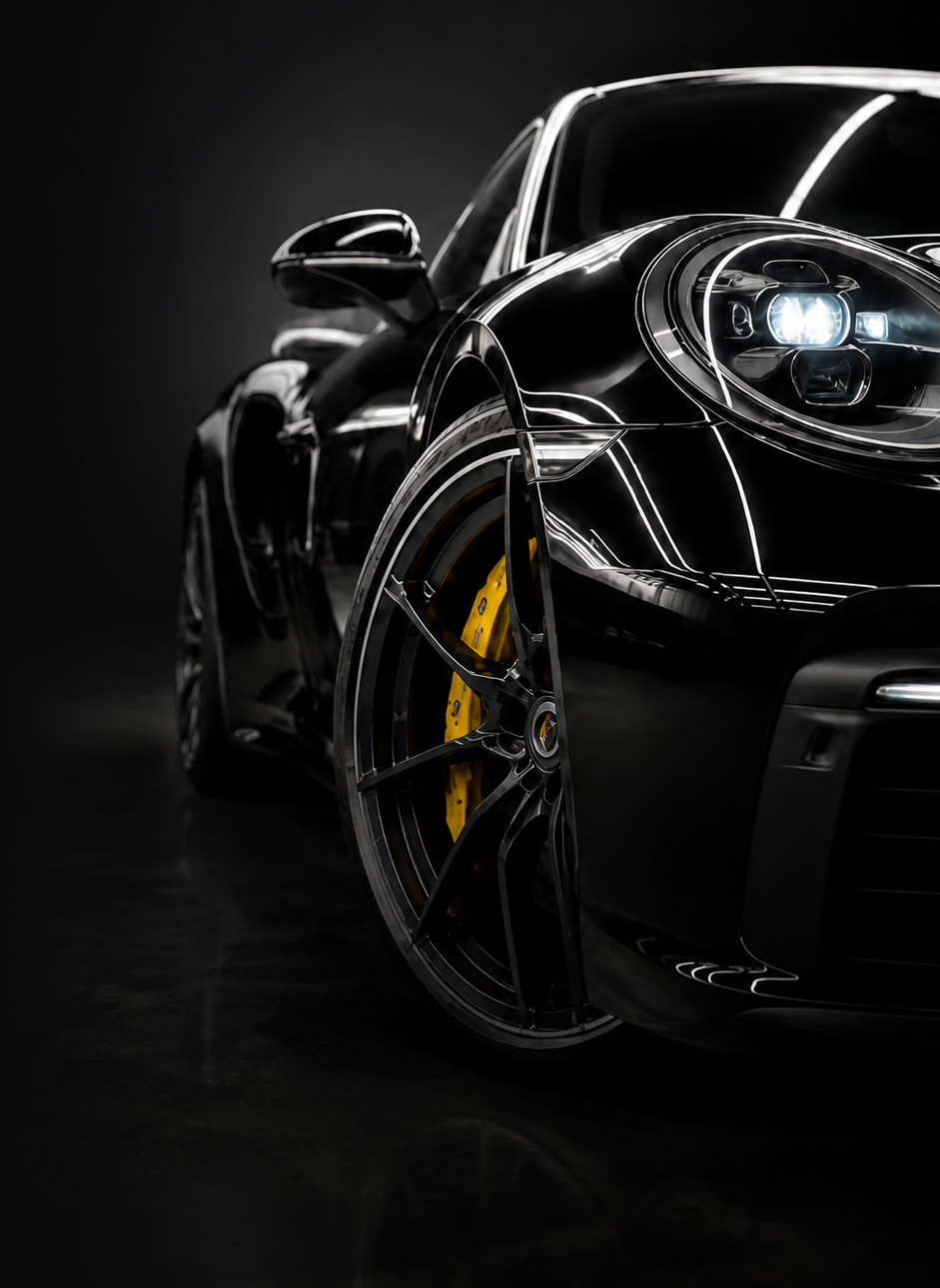

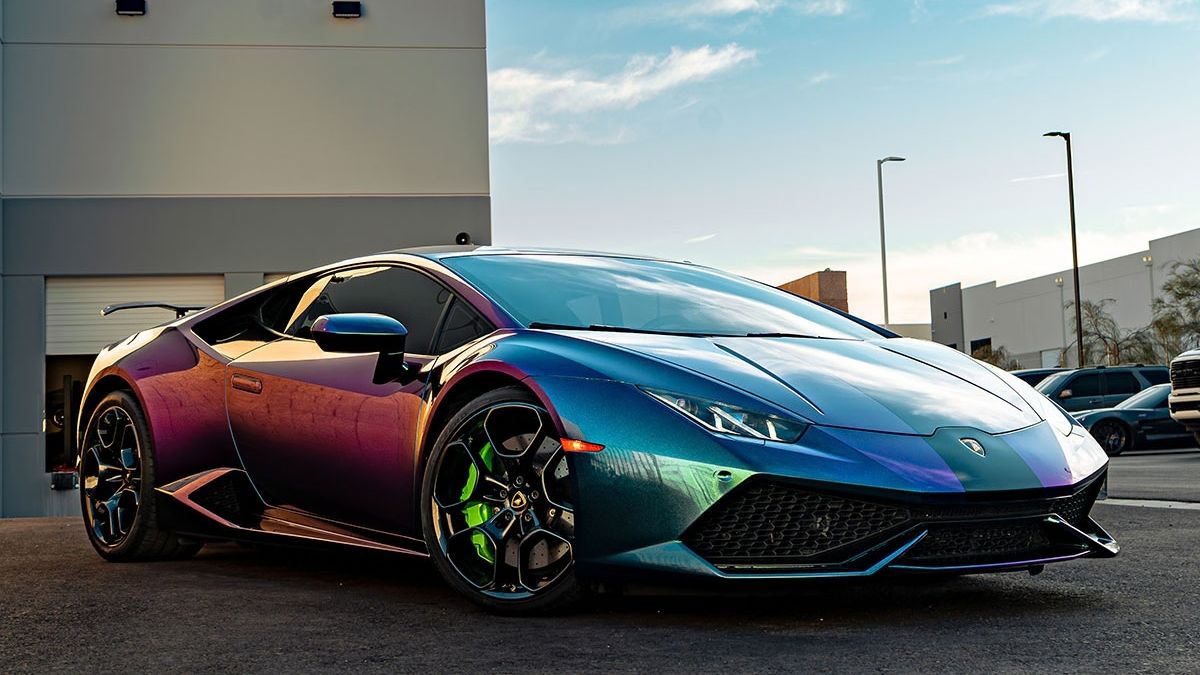
Paint protection film helps protect vehicle paint from damage caused by everyday driving and road conditions. Understanding how PPF is installed can help you know what goes into creating a clean and lasting result.
This article covers the paint protection film installation process and important factors to consider after installation.
The Paint Protection Film Installation Process
Paint protection film, commonly called PPF, is a clear protective material installed directly over painted vehicle surfaces. The film creates a physical barrier that takes on contact from many of the hazards that would otherwise reach the paint.
PPF can be installed on individual areas or across larger portions of a vehicle. The hood, front bumper, fenders, mirror caps, rocker panels, doors, and other painted surfaces can all receive protection depending on the desired coverage.
The actual PPF installation process involves much more than placing clear film over a body panel. The paint needs to be cleaned and inspected, the film needs to fit the shape of the vehicle, and moisture and air beneath the material need to be carefully removed during application.
Good paint protection film installation starts with careful preparation because the condition of the surface underneath can directly affect the finished appearance.
Once installation is complete, the material also needs time to settle and cure. Understanding each stage makes it easier to know why preparation, application technique, and aftercare all matter.
How Vehicle Paint Is Prepared for PPF
PPF is installed directly over the existing finish, which makes surface preparation an important first step. Dirt, dust, oils, wax, road grime, and other contaminants should be removed before the film is applied.
A normal exterior wash can remove loose contamination, but additional cleaning may be necessary when material remains bonded to the paint. The goal is to create a clean and smooth surface before the adhesive side of the film makes contact with the panel.
Small particles can become noticeable if they are trapped underneath clear film. This is why the work area, vehicle surface, and installation materials all need to be kept as clean as possible throughout the process.
A clean surface allows the PPF adhesive to make more consistent contact with the vehicle while reducing the chance of visible contamination underneath the film.
The vehicle is also inspected during preparation. Scratches, rock chips, water spots, stains, and other existing imperfections may remain visible because transparent PPF does not hide the condition of the paint underneath it.
Does Paint Need Correction Before PPF Installation?
Paint correction is not automatically required before every PPF installation. Whether it makes sense depends on the condition of the vehicle and the appearance the owner wants before the paint is covered.
A newer vehicle with paint in good condition may need little beyond proper cleaning and surface preparation. A vehicle with visible swirl marks, light scratches, oxidation, or other defects may benefit from additional correction before the film is installed.
This matters because PPF is transparent. Installing clear film over an existing paint defect does not necessarily make that defect disappear. Correcting appropriate imperfections beforehand can create a cleaner foundation for the finished installation.
Paint should be evaluated before PPF is applied so existing imperfections can be addressed when appropriate rather than discovered after the film is already installed.
Not every mark requires correction, and not every defect can be safely removed. The condition and thickness of the paint should be considered before performing unnecessary polishing.
How Paint Protection Film Is Cut and Fitted
Vehicle panels have different dimensions, curves, openings, sensors, body lines, and edges. Paint protection film must be fitted to the specific areas being protected.
Patterns can be prepared for individual vehicle panels so the film follows the shape of the hood, bumper, fenders, mirrors, doors, or other surfaces. Proper sizing also helps limit unnecessary cutting directly against painted areas.
Coverage such as front PPF concentrates the film on areas that regularly face incoming road debris, including the front portion of the vehicle.
Once the film has been prepared, it needs to be positioned accurately over the panel. Even a small alignment issue can become more noticeable as the installer works around corners, openings, and body lines.
Accurate PPF fitment allows the material to follow the shape of the vehicle while providing consistent coverage across the intended area.
Some panels are considerably more complex than others. A relatively flat hood is different from a front bumper containing deep curves, vents, sensors, and multiple changes in direction. These differences can affect how the material needs to be positioned and worked into place.
How PPF Is Applied to Vehicle Paint
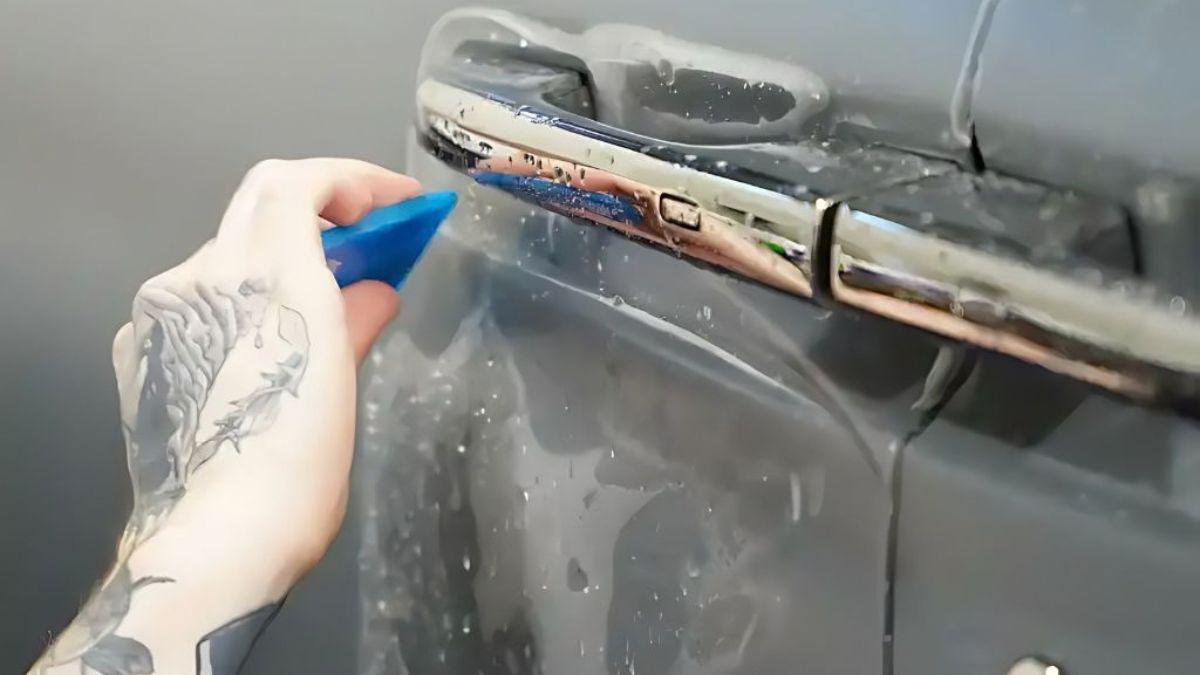
A slip solution is commonly used during PPF application so the material can be positioned before the adhesive fully settles against the paint. This allows adjustments to be made while aligning the film with the panel.
After the film reaches the proper position, the installer gradually removes the solution and air from underneath it. A squeegee is used to work across the material and establish contact between the adhesive and painted surface.
This process requires controlled pressure and careful movement. The installer needs to keep the material positioned correctly while preventing unwanted folds, trapped contamination, or other installation problems.
PPF application is a controlled process in which the film is gradually positioned and secured across the panel rather than simply placed onto the paint all at once.
Curved sections can require additional adjustment because the film needs to conform to the shape of the vehicle without creating unnecessary tension. Different sections of the same panel may therefore require different application techniques.
How Installers Handle Curves, Edges, and Body Lines
Curves and edges are some of the more detailed parts of paint protection film installation. Vehicle designs can include sharp body lines, rounded corners, recessed areas, trim, sensors, badges, and narrow gaps between panels.
PPF has enough flexibility to follow many of these shapes, but the material still needs to be managed carefully. Excessive stretching can place unnecessary tension on the film, while poor positioning can affect how cleanly the material follows a body line.
Edges also need special attention. Where the panel allows, certain film edges may be extended around the panel to make the transition less visible. Other areas may need a visible edge because of the shape, trim, spacing, or construction of the vehicle.
A clean PPF installation should account for the actual shape of each panel instead of forcing every edge and curve to be handled the same way.
The location of seams and edges can vary based on the vehicle and the amount of coverage being installed.
More extensive options such as Track PPF cover additional areas exposed to debris and tire spray, which means more panels, edges, and body lines may need to be fitted with film.
What PPF Looks Like While It Is Curing
Freshly installed paint protection film may not immediately look exactly the way it will after the material has fully settled. Moisture from the installation process can remain beneath portions of the film while the adhesive begins establishing contact with the paint.
Small areas of moisture or temporary visual changes may be noticeable during this period. Some of these conditions can improve naturally as remaining moisture evaporates and the film settles.
The amount of time this takes can vary depending on the film, installation, temperature, humidity, and other environmental conditions. For vehicles in warmer climates such as Las Vegas, heat can also affect how quickly moisture moves and how the film settles.
Temporary moisture beneath newly installed PPF does not always indicate an installation problem because the film needs time to settle after application.
Vehicle owners should avoid pressing, picking, or attempting to correct an area themselves while the film is still curing. If something remains after the expected settling period, the installation can be inspected to determine whether further attention is necessary.
How Long After PPF Installation Can You Wash Your Car?
A vehicle should not normally be washed immediately after paint protection film is installed. The adhesive needs time to establish contact with the painted surface, particularly around edges and complex areas.
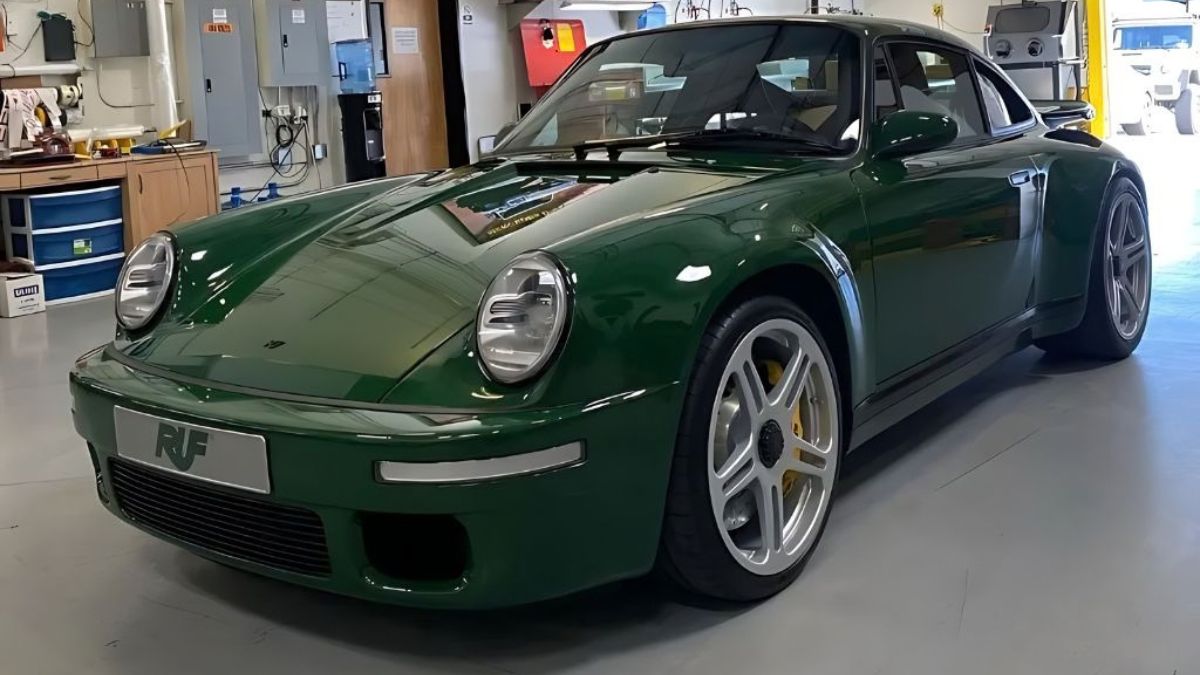
The recommended waiting period can depend on the film and installation conditions, so the specific instructions provided after installation should be followed. Washing too soon can introduce unnecessary moisture or pressure around film edges before they have fully settled.
Once the recommended curing period has passed, routine washing can resume. Gentle automotive washing methods are generally better suited for maintaining protected surfaces than aggressive brushes or abrasive cleaning techniques.
Giving newly installed PPF enough time to settle before the first wash helps avoid unnecessary disturbance while the adhesive is still establishing its bond.
Extra care should also be taken with pressure washers. Concentrated water pressure should not be placed extremely close to exposed film edges because it can put unnecessary force against the material.
How to Care for PPF After Installation
Paint protection film still needs regular cleaning. Road grime, insects, bird droppings, dust, minerals, and other contamination can collect on top of the film even though the paint underneath is protected.
Washing the vehicle regularly prevents contamination from remaining on the surface for extended periods. Bug residue, bird droppings, tree sap, and similar materials are generally easier to remove when they are addressed before they become heavily dried onto the film.
Use automotive cleaning products and soft wash materials rather than household cleaners or abrasive tools. When contamination is difficult to remove, it is better to soften the material with a suitable automotive product than to aggressively scrub the affected area.
Consistent and gentle cleaning helps maintain the appearance of paint protection film while reducing unnecessary wear on the protected surface.
Film edges should also be treated carefully during washing and drying. This becomes especially important when maintaining extensive coverage such as full body PPF, where protective film extends across the painted exterior rather than being limited to a few high exposure panels.
What Can Affect the Quality of a PPF Installation?
The final appearance of paint protection film can be influenced by several parts of the installation process. Surface cleanliness, paint condition, pattern accuracy, film positioning, edge work, application technique, and curing conditions can all make a difference.
The complexity of the vehicle matters as well. A panel with deep curves and multiple openings requires a different approach from a large, relatively flat surface. Proper installation needs to account for those differences rather than treating every panel the same way.
The type of film can also influence the finished appearance. Clear PPF is intended to maintain the existing appearance of the paint, while Stealth PPF creates a satin or matte appearance. Film that changes the finish makes consistent fitment across adjacent panels particularly important.
The quality and condition of the film are also important. Modern PPF can include features such as self-healing top layers that allow certain light surface marks to become less noticeable when exposed to heat. However, self-healing PPF properties do not make the film resistant to every type of damage.
The finished result depends on the combination of proper paint preparation, accurate film fitment, careful application, clean edge work, and appropriate curing.
PPF can also provide a different exterior appearance rather than remaining completely transparent. Colored PPF combines paint protection with a colored finish, making consistent coverage and careful installation important for both protection and appearance.
PPF ultimately works as a sacrificial layer over the original finish. Road debris and other hazards contact the protective material before reaching the painted surface underneath. Understanding how that layer is installed and maintained can help vehicle owners get more value from their vehicle paint protection while keeping realistic expectations about what the film is designed to do.