


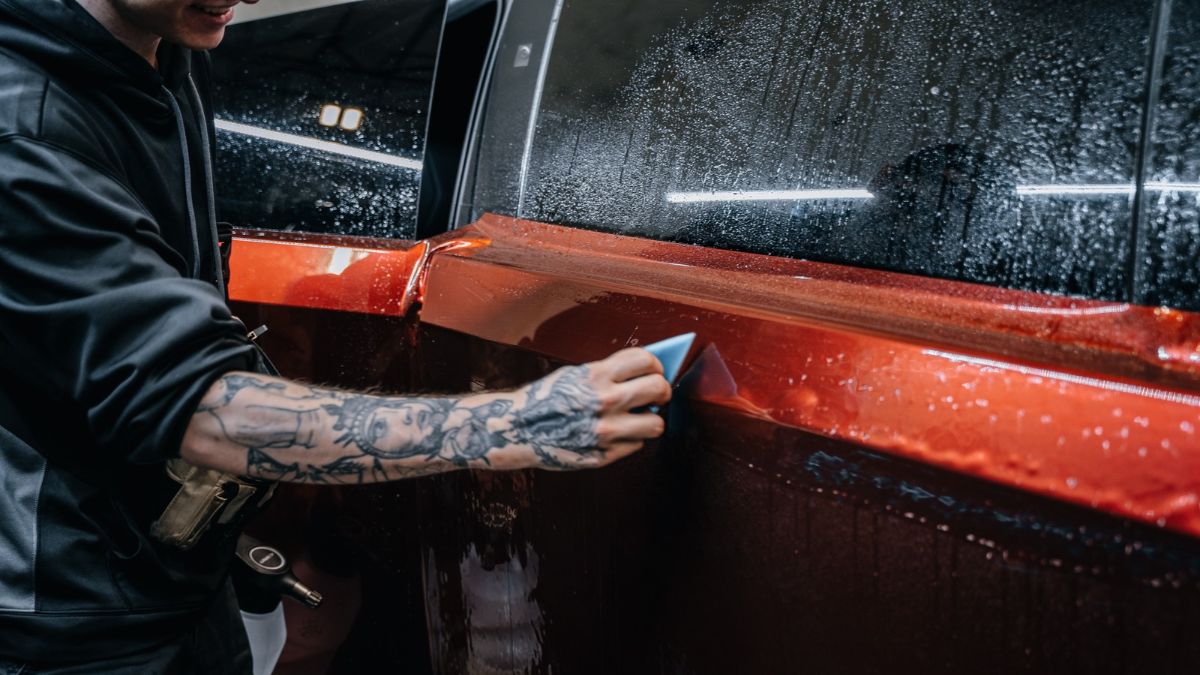
Paint protection film is designed to take on some of the damage that would otherwise reach a vehicle’s paint. However, after months or years of driving, the film itself may develop scratches, scuffs, lifting edges, or road-debris damage. When this happens, vehicle owners often wonder whether the film can be repaired or needs replacement.
The answer depends on the type of damage, how deep it extends into the material, and the film’s condition. Knowing what can be improved and what requires replacement can help you avoid unnecessary work while keeping your vehicle’s paint protected.
Understanding the Different Types of PPF Damage
Paint protection film is a transparent protective material installed over painted vehicle surfaces. It creates a barrier against certain rock chips, minor scratches, road debris, and environmental contaminants.
Although the material is durable, it is not indestructible. Everyday driving can gradually affect its appearance, and a strong impact may leave damage that cannot be corrected.
The type and severity of damage determine whether paint protection film can recover, be corrected, or require replacement. Light surface marks are different from punctures, tears, or adhesive failure.
Modern paint protection film products may include self-healing technology that helps certain superficial scratches become less visible. However, these features have limitations, and not every type of damage can disappear.
Can Scratches on Paint Protection Film Be Repaired?
Some scratches on PPF can become less noticeable without replacing the material. This is possible when the film includes a self-healing top layer and the damage is limited to that layer.
Light marks caused by gentle contact or minor surface abrasion may improve when the material reaches a suitable temperature. However, deeper scratches that cut through the protective surface may remain visible.
Light scratches may improve through a film’s self-healing properties, but deep scratches cannot be reliably repaired in the same way. The outcome depends on the film’s construction and the damage depth.
Before treating it, identify the specific film and follow the manufacturer’s instructions. Excessive heat or unsuitable products can create additional problems.
How Does Self-Healing PPF Work?
Self-healing paint protection film uses a specially engineered top layer that can recover from certain superficial marks. When the material reaches an appropriate temperature, its surface can become more uniform, reducing the appearance of fine scratches.
Some films respond to warmth from sunlight, while others may require conditions specified by the manufacturer. The process does not replace missing material or repair the paint underneath.
Self-healing technology works on eligible surface-level imperfections, not on damage that cuts completely through the film. Tears, punctures, and substantial gouges generally require a different solution.
Self-healing effectiveness can also change as the material ages. Film condition, exposure history, and product formulation all influence how well the surface responds.
Can Heat Remove Scratches From PPF?
Heat can activate the self-healing properties of certain paint protection films. Under suitable conditions, this may help fine surface scratches become less noticeable.
However, not every film responds to heat in the same way. Using a heat gun, very hot water, or another uncontrolled heat source can damage the material or affect its adhesive.
Use heat only as directed by the film manufacturer, because excessive temperatures can permanently damage PPF. Self-healing technology does not make the material resistant to overheating.
Deep scratches and cuts will not disappear just because the film warms up. When damage extends beyond the self-healing layer, replacement may be necessary.
What Happens When a Rock Chip Damages PPF?
Rock chips are one of the main hazards that paint protection film is designed to help resist. When a small stone strikes a protected panel, the film receives the initial impact instead of the painted surface.
Depending on the impact force, the film may remain intact, develop a visible mark, or become punctured. A severe impact can sometimes damage both the film and the underlying paint.
PPF can reduce the likelihood or severity of certain rock chip damage, but it cannot prevent every impact from reaching the paint. The outcome depends on the debris, speed, impact angle, and protective material.
After a noticeable impact, inspect the affected area for tears, punctures, or exposed paint. Drivers who regularly encounter gravel and road debris may also experience damage along rocker panels and other high-impact areas covered by Track PPF packages.
Can You Fix Peeling or Lifting PPF Edges?
Paint protection film edges can sometimes begin lifting from the painted surface. This may occur because of contamination, installation conditions, repeated contact, material aging, or adhesive problems.
Minor lifting may be correctable in some circumstances, particularly when the film remains in good condition, and the adhesive has not become contaminated. However, this depends on the extent of the problem.
Small lifting areas may sometimes be corrected, but severely contaminated or damaged edges often require replacement of the affected film section. Simply pressing an exposed edge back into place does not guarantee lasting adhesion.
Using household glue or unsuitable adhesives can create additional problems. Evaluate the condition of the film and painted surface before deciding on a correction.
Why Does Paint Protection Film Start Bubbling?
Bubbles beneath PPF can develop for different reasons. Shortly after installation, some small moisture pockets may be part of the normal drying process, depending on the product and installation conditions.
Bubbles that appear much later may indicate trapped contamination, adhesive failure, or another issue affecting the film. Their size, location, and appearance can help identify the likely cause.
Not every PPF bubble indicates permanent damage, but bubbles caused by contamination or adhesive failure may not disappear on their own. The age of the installation is an important consideration.
Understanding the paint protection film installation process can help explain why surface preparation and proper application matter. Evaluate persistent or unexpected bubbles before attempting a correction.
Can Torn Paint Protection Film Be Patched?
When PPF develops a tear, the protective layer separates. Unlike a superficial scratch, self-healing technology can’t restore a tear.
Although adding a small piece of film over a damaged area may seem like a simple solution, overlapping material can create visible seams and inconsistent protection. It may also trap contamination around the damaged section.
Replacing a torn film section generally provides a more consistent result than patching the damage. The right approach depends on the tear’s location and size.
Damage near edges, corners, and highly curved surfaces may require particular attention. These areas can be difficult to correct without affecting the surrounding film.
Do You Have to Replace the Entire PPF Wrap?
Damage to one section of paint protection film does not necessarily mean the entire vehicle needs new coverage. PPF is commonly installed in separate pieces that follow individual body panels or defined coverage areas.
If the film on a hood is damaged while the bumper and fenders remain in good condition, you may be able to replace only the affected hood section.
Localized PPF damage can often be addressed by replacing the affected panel rather than removing protection from the entire vehicle. This depends on the original installation and the condition of the surrounding material.
One consideration is appearance consistency. Vehicles with full body PPF coverage have protective film across nearly all painted exterior panels, so matching the appearance of a replacement section with older surrounding film can be especially important.
Can Damaged PPF Be Removed Without Hurting the Paint?
Paint protection film is generally designed to be removable from suitable automotive paint. However, remove it carefully, especially if the film is old, torn, or strongly bonded to the surface.
Factory paint in good condition may tolerate removal differently from repainted panels, deteriorating clear coat, or surfaces with existing damage. These factors can influence the risk of paint lifting.
PPF removal is usually possible without damaging sound factory paint, but no removal process is completely risk-free for every vehicle. Paint condition and the removal technique matter.
Old or brittle film can be more difficult to remove in large sections. Professional evaluation may be appropriate when the material has deteriorated or the vehicle has a history of paint repairs.
Can You Polish Scratches Out of PPF?
Traditional paint polishing uses abrasives to refine a vehicle’s clear coat. Applying the same methods to paint protection film can affect its top layer and protective properties.
Some manufacturers provide approved correction procedures for specific products. However, ordinary polishing compounds and aggressive machine polishing should not automatically be considered safe for PPF.
Do not polish scratched paint protection film with conventional paint correction methods unless the film manufacturer specifically approves them. Inappropriate abrasion can create haze or permanently alter the surface.
For self-healing films, letting the approved recovery process work may be better than attempting abrasive correction. More severe damage may require replacing the affected material.
Does Yellowing Mean Paint Protection Film Needs Replacement?
Some paint protection films can develop discoloration as they age. Yellowing may become more noticeable on white or light-colored vehicles because the contrast is easier to see.
Environmental exposure, contamination, film formulation, and aging can all affect appearance. However, not every yellow-looking surface indicates that the film itself has permanently discolored.
Persistent film discoloration may indicate aging or deterioration, but identify the cause before deciding whether replacement is necessary. Surface contamination and material discoloration require different responses.
Modern films are often engineered to resist yellowing, but their long-term appearance still depends on the product and exposure conditions. Manufacturer warranties may address specific defects under defined terms.
Can PPF Be Replaced on Just the Front Bumper?
Front bumpers are among the most exposed areas of a vehicle during everyday driving. Their position makes them vulnerable to small stones, insects, road debris, and contact with other objects.
Because PPF is commonly installed by panel or coverage section, technicians can often remove and replace damaged bumper film without disturbing protection on the hood or fenders.
Replacing front bumper PPF is often possible as a standalone procedure when the surrounding protected panels remain in suitable condition. The original installation layout determines how much film must be removed.
Vehicles with front-end paint protection coverage may have separate film pieces across multiple panels. Inspecting each section individually can help identify whether the damage is isolated or more widespread.
Does Ceramic Coating Prevent Damage to PPF?
Some ceramic coatings are compatible with paint protection film and can add water-repellent properties. These coatings may help reduce the adhesion of certain contaminants and make routine maintenance easier.
However, ceramic coating does not provide the same physical impact protection as PPF. It cannot prevent the film from tearing when struck by sufficiently sharp or forceful objects.
Ceramic coating can complement compatible PPF, but it does not prevent punctures, deep scratches, or other substantial physical damage. The two products serve different protective functions.
The distinction between the materials is explained in paint protection film versus ceramic coating. Understanding their different roles helps clarify why applying a coating cannot repair an already damaged film.
How Can You Tell When PPF Needs to Be Replaced?
Some signs of film damage are easy to recognize, such as large tears, peeling sections, or visible punctures. Other problems develop gradually and may be less noticeable during everyday driving.
Changes in clarity, widespread scratches, persistent discoloration, and adhesive failure can indicate that the film is no longer performing or looking as intended. Damage exposing the underlying paint deserves particular attention.
PPF replacement is more appropriate when damage compromises the film’s coverage, adhesion, or protective function, not just its appearance. Minor cosmetic marks do not always justify replacing an otherwise functional section.
Regular visual inspections can help identify developing problems before they worsen. Evaluate film condition alongside the underlying paint and the vehicle’s typical driving exposure.