


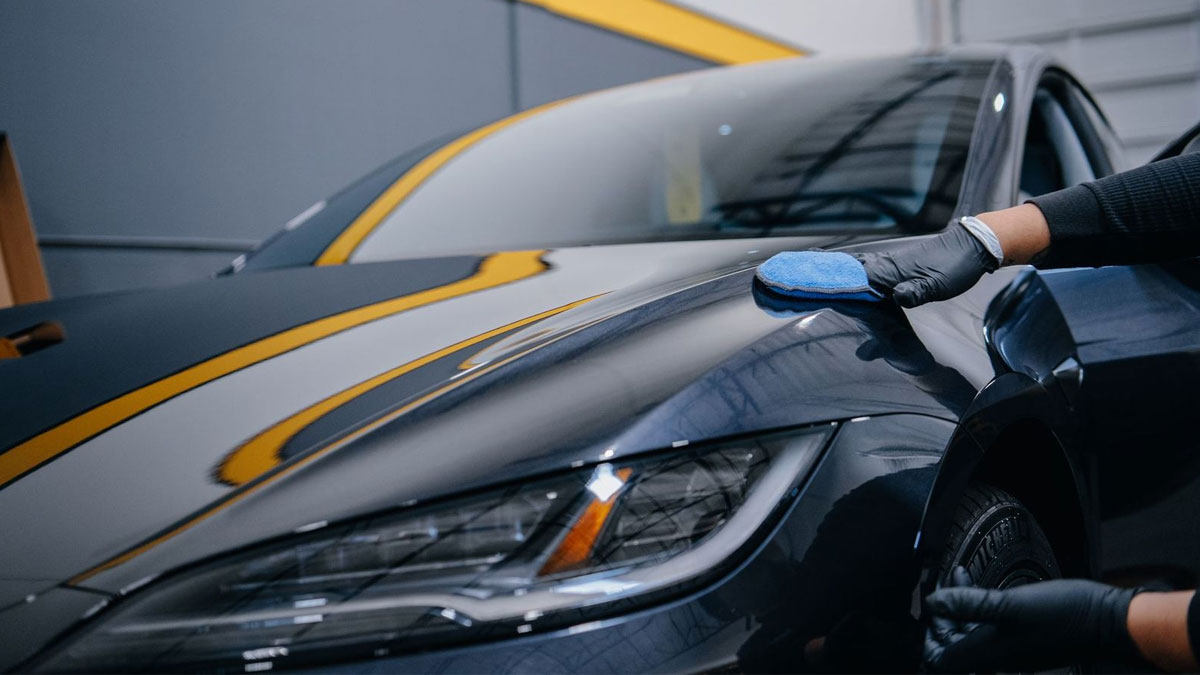
Ceramic coating can help keep a vehicle looking glossy, clean, and protected, but it still needs proper care to perform well over time. A few simple habits can make a major difference in how the surface looks and responds to everyday driving conditions.
This article covers practical ways to maintain ceramic coating and avoid common issues that can reduce its performance.
Ways To Maintain Ceramic Coating
Proper ceramic coating maintenance starts with understanding that a coated vehicle still needs regular washing and care. The coating creates a protective layer over the exterior, but dirt, road grime, minerals, insects, and other contaminants will continue to collect on the surface.
Leaving these materials in place for too long can make the vehicle harder to clean and may reduce some of the coating’s useful properties.
You do not need a complicated routine to maintain ceramic coating. Focus on safe washing, careful drying, suitable cleaning products, and regular inspections.
A consistent maintenance routine helps the coating continue to provide a slick, clean surface while preserving the appearance of the vehicle.
Small steps performed regularly are usually more effective than waiting until the exterior becomes heavily contaminated.
Remove Contaminants Before They Bond to the Surface
Bird droppings, bug residue, tree sap, road grime, and other contaminants should not remain on the vehicle longer than necessary.
Some materials can become more difficult to remove after sitting in direct sunlight or drying onto the paint. Cleaning them early also reduces the amount of pressure and scrubbing needed during removal.
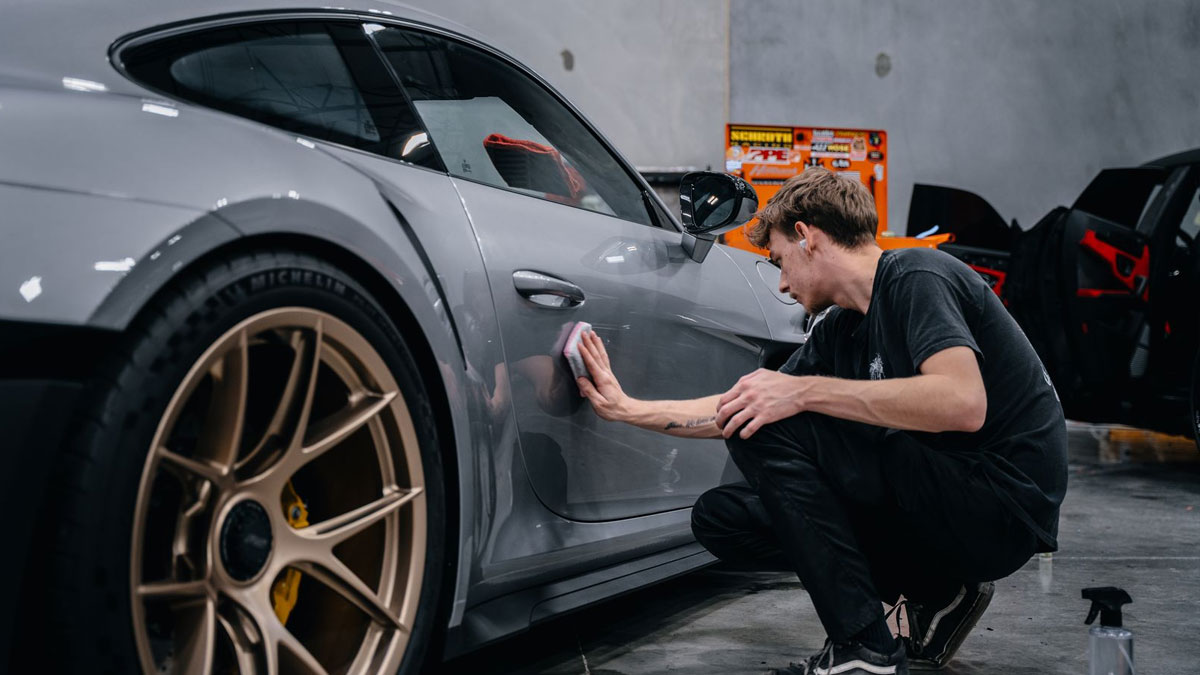
When removing a stubborn spot, avoid aggressively rubbing the affected area with a dry towel. Instead, use an appropriate automotive cleaning product to soften the contamination before gently wiping or rinsing it away.
This approach can help maintain ceramic coating without placing unnecessary stress on the protected surface. Removing contamination carefully is safer than using heavy pressure to force dried material off the vehicle.
Choose pH-Neutral Car Wash Products
The products used during a wash can affect how well a coated surface performs. A pH-neutral automotive shampoo is a practical choice for routine cleaning because it can remove normal dirt and grime without relying on unnecessarily aggressive chemicals.
Always follow the automotive care product instructions and use the recommended amount rather than assuming that more soap will provide a better wash.
Using products designed for routine automotive care can help clean the exterior without leaving unnecessary residue behind.
Household cleaners and harsh degreasers are generally poor choices for regular vehicle washing because they may be stronger than needed.
When you want to maintain ceramic coating, choosing suitable products also makes it easier to create a consistent washing routine that is gentle on the exterior.
Use Separate Wash Tools for Wheels and Body Panels
Wheels collect a different type of dirt than painted body panels. Brake dust, heavy road grime, and small particles can build up around wheels and tires, making wheel brushes, mitts, and towels much dirtier than the tools used on the body.
Using those same tools on the paint can transfer unwanted debris onto areas where you are trying to create a clean finish.
Keep dedicated wash mitts, brushes, and towels for the wheels and a separate set for the body panels.
It can also help to store them separately after each wash so they are not accidentally mixed together the next time the vehicle is cleaned.
Separating your wash tools reduces the chance of carrying abrasive debris from heavily contaminated areas onto more delicate exterior surfaces.
It is a simple habit that can help maintain ceramic coating while supporting safer washing practices.
Watch for Changes in Water Beading and Sheeting
One noticeable characteristic of many ceramic coatings is how water behaves on the surface. Water may form beads or move away from the panel more easily instead of spreading across the paint.
Paying attention to this behavior during washing and rinsing can give you a useful reference for how different sections of the vehicle are performing.
If water behavior starts changing, it does not always mean that the coating has completely failed. Dirt, minerals, road film, and other contamination can sit on top of the protected surface and interfere with its normal behavior.
A noticeable change in water response can be a sign that the surface needs a more thorough cleaning rather than an immediate replacement of the coating.
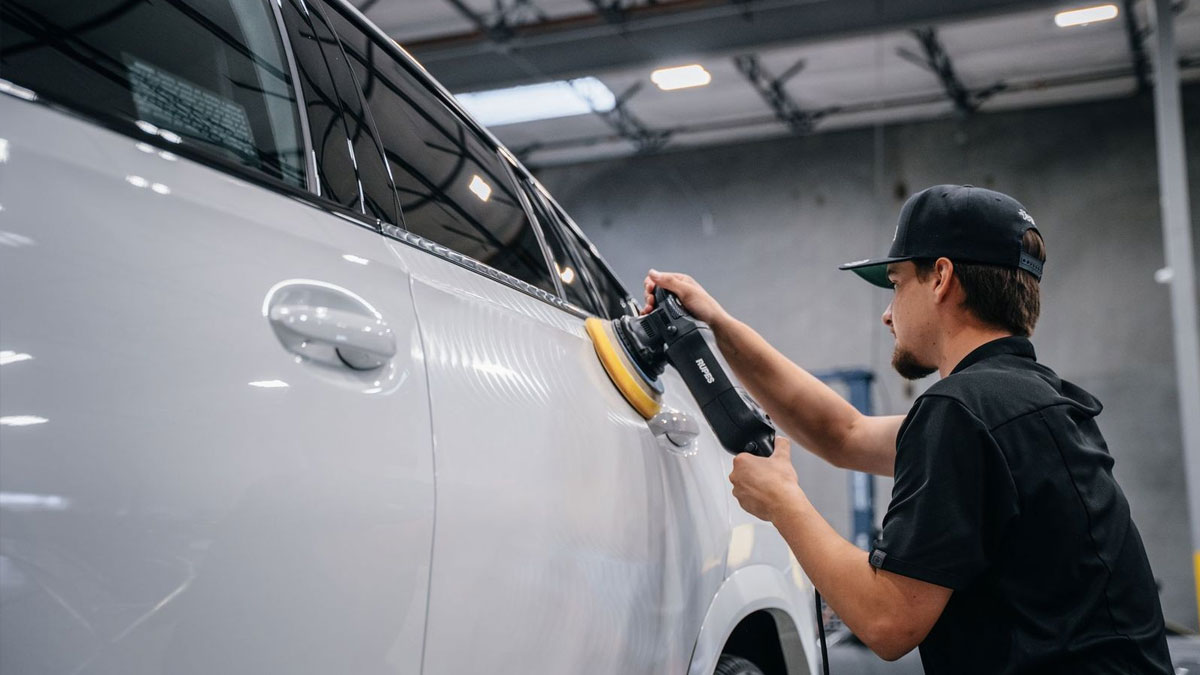
To maintain ceramic coating, compare different areas of the vehicle after they have been properly cleaned.
If one panel behaves differently from the rest, inspect it for contamination before making assumptions about the condition of the coating.
If normal cleaning does not improve the surface, a professional detailer can evaluate whether deeper decontamination or another maintenance service is appropriate.
Inspect High-Exposure Areas for Reduced Protection
Not every part of a vehicle experiences the same conditions. The front bumper, hood, lower doors, rocker panels, mirror caps, and areas behind the wheels often encounter more road debris and contamination than less exposed surfaces.
These sections may require additional attention during routine cleaning because they can become dirty faster.
Take a few minutes after washing to inspect these areas in good lighting. Look for contamination that remains after cleaning, changes in how water moves across the panel, or sections that feel noticeably different from surrounding surfaces.
You can maintain ceramic coating more effectively when you identify small changes early instead of waiting until the entire vehicle shows reduced performance.
Regular inspection is especially useful for vehicles that are driven frequently, parked outdoors, or exposed to demanding road conditions.
Giving high-exposure areas extra attention allows you to adjust your maintenance routine based on how the vehicle is actually being used.
Combined with proper washing and suitable products, these inspections can help keep the coated exterior protected, clean, glossy, and easier to care for over the long term.